
Contents
- 🎵 Origins & History of Tattoo Healing
- ⚙️ The Science of Tattoo Healing
- 📊 Key Aftercare Statistics & Timelines
- 👥 Leading Voices in Tattoo Aftercare
- 🌍 Global Aftercare Traditions
- ⚡ Modern Aftercare Protocols
- 🤔 Debates in Tattoo Healing
- 🔮 The Future of Tattoo Aftercare
- 💡 Practical Aftercare Steps
- 📚 Related Tattoo Knowledge
- References
Overview
The concept of tending to tattooed skin is as old as tattooing itself, with ancient cultures developing distinct methods for promoting healing and preserving their markings. Early Polynesian navigators, for instance, used natural poultices derived from plants to soothe freshly tattooed skin, understanding intuitively the need for post-procedure care. In Japan, Edo-period artists emphasized not just the application of ink but also the subsequent management of the skin, often involving specific bathing rituals and herbal remedies to aid recovery and prevent scarring. These historical practices, though rudimentary by today's standards, laid the groundwork for modern protocols, recognizing that the tattoo artist's work extends beyond the chair to the client's commitment to healing. The evolution from simple wound care to scientifically informed practices reflects a broader understanding of skin biology and infection control, driven by both artistic preservation and public health concerns.
⚙️ The Science of Tattoo Healing
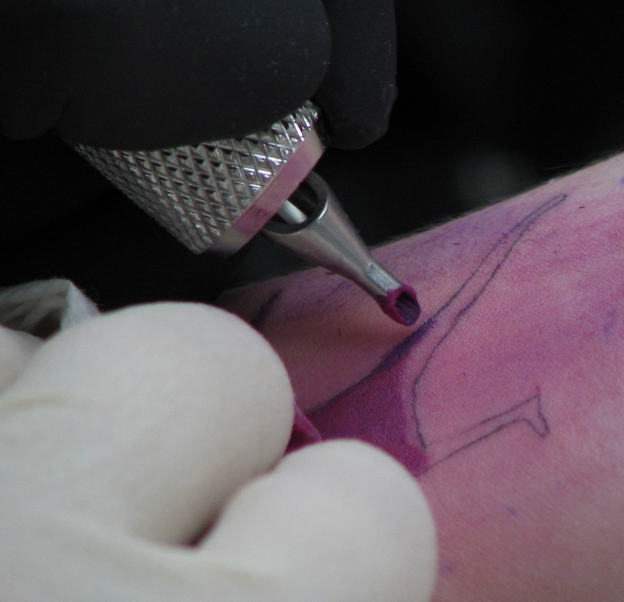
When a tattoo machine deposits ink into the dermis, it creates micro-wounds that the body's immune system begins to repair. Specialized cells called macrophages engulf some of the ink particles, while fibroblasts begin laying down collagen to form scar tissue, effectively trapping the pigment. Proper aftercare supports this process by keeping the area clean to prevent bacterial or viral infections, maintaining optimal moisture levels to encourage cell regeneration without over-hydration (which can lead to ink loss), and protecting the delicate new skin from environmental damage. Understanding these stages allows for more effective care, ensuring the ink settles correctly and the skin heals smoothly, preserving the artist's intended design.
📊 Key Aftercare Statistics & Timelines
By the end of the first week, most of the redness and swelling subside, and the tattoo may begin to peel and flake, similar to a sunburn, which is a normal part of the healing process. During this phase, the tattoo might appear dull or cloudy as the epidermis regenerates. Tattoo artists like Kat Von D and Bang Bang NYC often develop and share their own proprietary aftercare instructions, reflecting years of experience and client feedback. Beyond individual artists, organizations like the Association of Professional Tattoo Artists (APTA) advocate for standardized safety and healing protocols, often collaborating with dermatologists and health officials. Brands specializing in tattoo care products, like Hustle Butter and Provida Tattoo Care, also play a significant role by developing and promoting specialized balms and lotions designed to aid the healing process, often backed by extensive research and development.
👥 Leading Voices in Tattoo Aftercare
Across the globe, diverse cultural practices inform tattoo aftercare. In Korea, traditional tattoo artists might recommend specific herbal baths and natural balms made from ingredients like ginseng or camellia oil to soothe and heal the skin. Indigenous communities in North America often incorporate traditional plant-based remedies, passed down through generations, for wound healing and spiritual cleansing of the tattooed area. In contrast, Western aftercare often emphasizes sterile, commercially produced ointments and lotions, prioritizing a clinical approach to minimize infection risk. While the specific ingredients and methods vary, the underlying principle remains consistent: protect the fresh ink and support the body's natural healing capabilities, a universal goal across all tattoo traditions.
🌍 Global Aftercare Traditions
Modern tattoo aftercare protocols have become increasingly sophisticated, moving beyond basic soap and water. Many artists now recommend specialized tattoo balms or fragrance-free lotions that provide a breathable barrier and optimal moisture. The use of second-skin bandages, like Saniderm or Tegaderm, has also become widespread, offering a sterile, waterproof covering that can be worn for several days, simplifying the initial healing phase and protecting the tattoo from friction and contaminants. These advanced methods aim to create an ideal healing environment, reducing the likelihood of infection and promoting faster, cleaner recovery, often reducing the need for frequent washing and reapplication of ointments in the critical first few days.
⚡ Modern Aftercare Protocols
A persistent debate in tattoo aftercare revolves around the use of petroleum jelly-based products versus specialized tattoo balms or lotions. While some artists and clients swear by the protective barrier of Vaseline, others argue it can clog pores, trap heat, and potentially lead to ink loss or irritation. Conversely, some specialized balms, while effective, can be quite expensive. Another point of contention is the duration of bandage use; some advocate for leaving on second-skin bandages for up to a week, while others prefer shorter durations to allow the skin to breathe. The debate also extends to the frequency of washing and moisturizing, with opinions varying on whether over-hydration or under-hydration poses a greater risk to the healing tattoo. These differing viewpoints highlight the ongoing quest for the optimal healing method.
🤔 Debates in Tattoo Healing
The future of tattoo aftercare is likely to be driven by advancements in biomaterials and personalized medicine. We may see the development of 'smart' bandages embedded with antimicrobial agents or indicators that signal optimal healing conditions, potentially reducing infection rates further. Research into bio-engineered skin grafts or specialized stem cell therapies could accelerate dermal regeneration, drastically shortening healing times. Furthermore, the integration of wearable technology might allow for real-time monitoring of a healing tattoo's condition, providing personalized aftercare advice based on individual physiological responses. This could lead to a more precise and effective approach, minimizing complications and maximizing the longevity and vibrancy of tattoos.
🔮 The Future of Tattoo Aftercare
Implementing effective tattoo aftercare involves a series of straightforward yet crucial steps. Immediately after the tattoo is completed, the artist will typically apply a protective bandage, which should be kept on for the duration recommended by the artist (usually 2-24 hours). Once removed, the tattooed area should be gently washed with lukewarm water and a mild, fragrance-free soap, then patted dry with a clean paper towel. Apply a thin layer of the recommended tattoo ointment or fragrance-free lotion, ensuring not to over-apply. Repeat this cleaning and moisturizing process 2-3 times daily for the first few weeks. Avoid soaking the tattoo in water (no baths, hot tubs, or swimming), direct sun exposure, and tight clothing that can rub against the fresh ink. Always wash your hands thoroughly before touching your new tattoo.
💡 Practical Aftercare Steps
Understanding tattoo aftercare is intrinsically linked to a broader knowledge of tattoo culture and practice. For those interested in the artistry, exploring different tattoo design styles provides context for why certain healing methods might be preferred. Learning about the history of tattoo machines and various needle configurations
Key Facts
- Category
- aftercare-tips
- Type
- topic